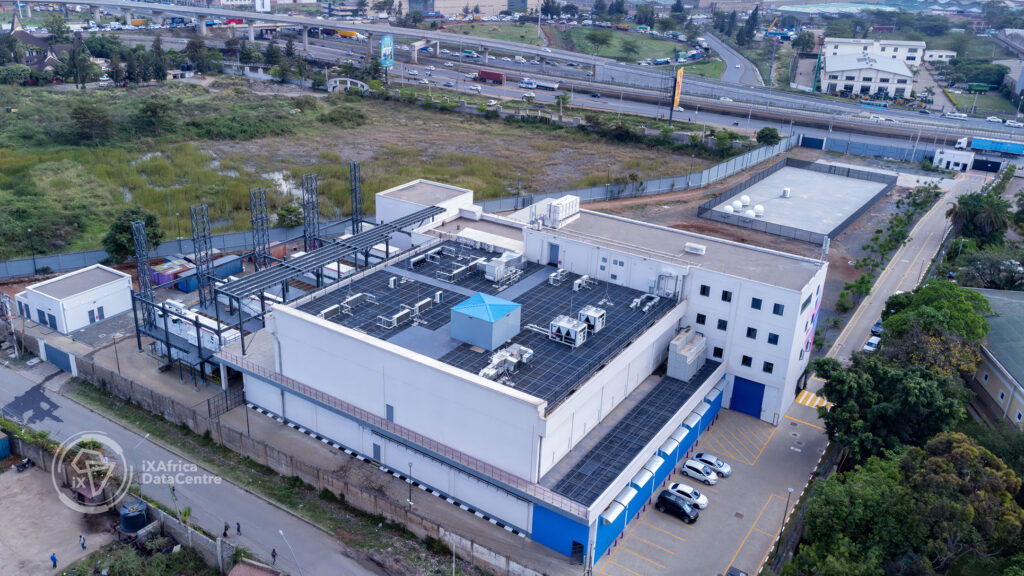
A distribution center moves quickly, and there’s very little room for delays. Orders stack up, trucks continue to arrive, and floor equipment runs almost nonstop. When even one machine slows down or fails, the entire operation feels the impact, teams wait, workflows stall, and schedules begin to slip.
Most problems don’t come from major failures. Often, it’s a missed checklist, a part that should have been replaced earlier, or a routine task that fell through the cracks. This is where maintenance software becomes far more valuable than many expect. Maintenance software for distribution centers prevents small issues from snowballing, improves visibility across teams, and helps daily operations run smoothly without the constant feeling of playing catch-up.
What Maintenance Software Actually Does
Maintenance software isn’t as complicated as it sounds. It essentially consolidates all scattered maintenance work into one place, so people aren’t chasing papers, old notes, or half-remembered conversations. Instead of guessing what was done last week or who handled what, the system clearly lays it out. It becomes clear which assets require attention and which ones are starting to show minor signs of trouble.
It also handles the things humans tend to forget on busy days. A missed inspection, a skipped oil change, or a checklist that never made it back to the office, the software sends reminders before things slip through. Technicians get tasks assigned directly to them, with simple instructions, so there’s less back-and-forth on the floor.
Also, it offers tracking history: every fix, every part replaced, and every weird noise someone notices gets recorded. Over time, that history becomes useful. You can spot patterns, understand why a certain machine keeps malfunctioning, or determine if a repair is worth repeating. In short, it organizes the chaos, keeps teams aligned, and helps the equipment stay in better shape without the constant last-minute rush.
Cutting Down Equipment Breakdowns
Breakdowns in a distribution center usually don’t show up out of nowhere. Something small starts slipping first, like a belt getting louder, a forklift hesitating, or a sensor acting strangely, and no one has time to investigate. Maintenance software helps catch those early signs before they turn into a full stop on the floor. It alerts teams when a service is due, flags unusual patterns, and makes sure nothing waits until the last minute. When the right jobs are handled on time, machines run steadier, and those stressful “everything just stopped” moments happen less often.
Reducing Safety Risks on the Floor
Safety problems in a distribution center often begin with equipment that’s just slightly off. A forklift that hasn’t been checked in a week, a loose conveyor guard, and a dock plate that sticks now and then. People get used to these things until one day it goes wrong. Maintenance software helps catch those small issues before someone walks into them. It pushes out inspection reminders, keeps track of what was actually fixed, and makes it easier to spot unsafe patterns early. When machines stay in better shape, the floor feels cleaner, and workers aren’t constantly working around hidden risks.
Keeping Inventory Moving Without Disruptions
In a distribution center, inventory only moves as smoothly as the equipment supporting it. When a scanner glitches, a conveyor slows, or a dock door jams, the whole flow gets thrown off. People start improvising, and that’s when delays creep in. Maintenance software helps cut down those moments by keeping the equipment in better rhythm. It reminds teams about routine servicing, flags anything that’s behaving oddly, and keeps all the small fixes from getting buried under busy shifts. When the tools are reliable, the inventory keeps moving, and the day doesn’t turn into a string of unexpected slowdowns.
Managing Labor More Efficiently
In a distribution center, people waste a lot of time just figuring out what needs to be done and who’s supposed to handle it. Tasks get passed around, someone forgets to mention an urgent fix, and technicians end up bouncing between jobs with half the information they need. Maintenance software clears up that mess. It sends the right job to the right person, with notes that actually make sense. Teams don’t have to hunt for updates or wait for someone to track them down.
Stronger Compliance and Audit Readiness
A lot of stress during audits comes from trying to dig up proof that maintenance actually happened. Paper logs get lost, old checklists fade, and people end up guessing dates. Maintenance software takes that pressure off. Every inspection, repair, and part replacement gets saved automatically, so nothing depends on memory or messy folders. When an auditor asks for a record, it’s right there instead of being buried somewhere in the office. It also helps teams stay ahead of required checks, so everything stays on track well before the deadline. With clear documentation, compliance steps feel more manageable.
Conclusion
Running a distribution center means dealing with a lot of moving parts, and things slip when people get busy. Maintenance software does not magically fix everything, but it does make the day less chaotic. It keeps track of the small tasks that usually get forgotten and gives everyone a clearer picture of what’s going on. Breakdowns drop, safety issues calm down. And managers aren’t always reacting to problems after they hit. It’s a way to keep the place steady, even on the heavier days.